Facial volume restoration in Adelaide
As we age, the face gradually loses some of the volume that gives it shape. You might notice hollows under the eyes, flatter cheeks, a softer jawline or deeper lines around the mouth.
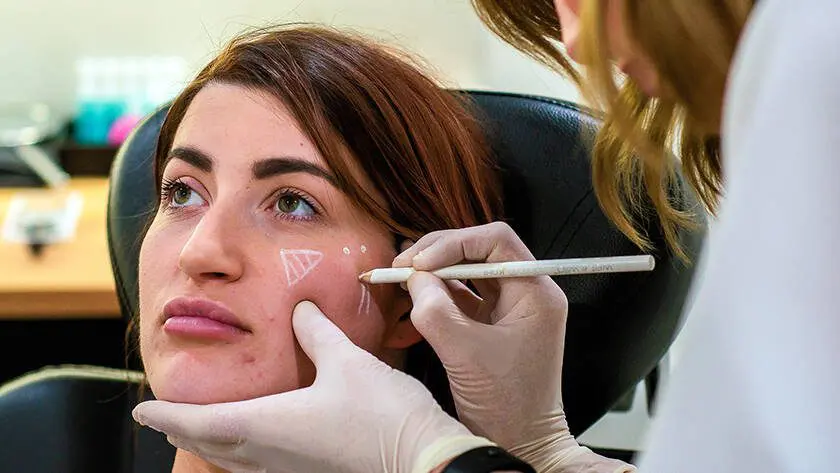
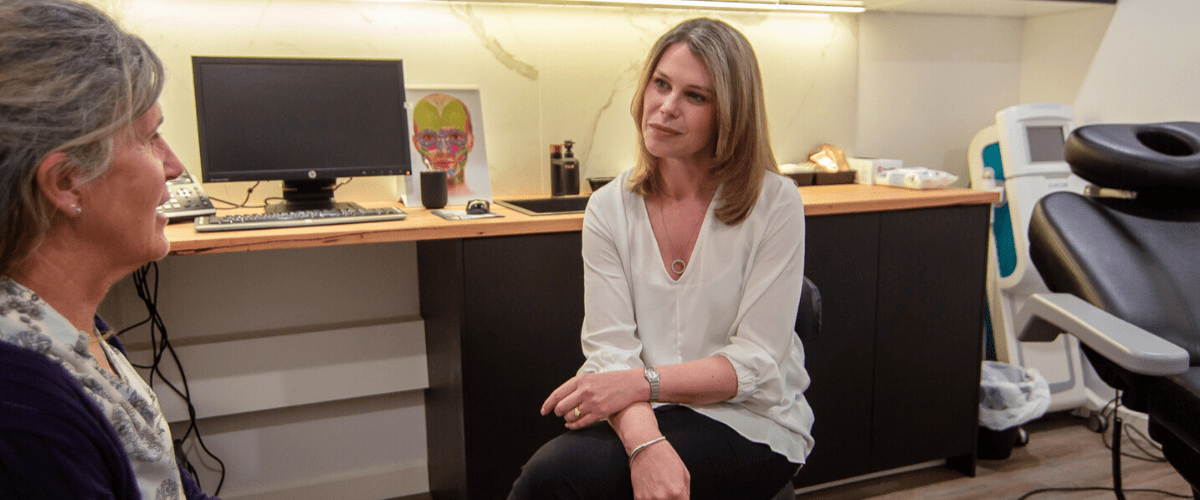
At Laser Skin & Vein, volume restoration starts with a consultation. One of our registered nurses will assess your facial structure, talk through your concerns and explain which options may suit you. If a prescription-only treatment is considered appropriate, you’ll be referred to one of our doctors in line with current medical and regulatory guidelines.
We offer facial volume restoration consultations in Adelaide at our North Adelaide and Malvern clinics. Our approach is conservative and evidence-based, with a focus on subtle change that suits your features.
Facial volume restoration cost
The cost of facial volume restoration depends on several factors, including the areas being assessed and the treatment type. We’ll discuss pricing during your no-obligation consultation, once we understand your concerns and treatment plan.

What causes facial volume loss?
Facial volume loss happens gradually and involves several layers of the face at the same time.
Fat pads
The face has separate pockets of fat that support the cheeks, under-eyes and mid-face. With age, these can shrink and shift downwards.Bone
The bones of the face, including around the eye sockets, cheeks and jaw, slowly change shape and lose density. This reduces the support for the tissue sitting above them.Skin
Collagen and elastin production slows, so skin becomes thinner and less able to hold its shape.Lifestyle and genetics
Sun exposure, smoking, significant weight loss and genetics can all affect how early and how noticeable these changes appear. Because these changes happen together, volume loss in one area often affects how another area looks. Flattening in the cheeks, for example, can make the folds between the nose and mouth more noticeable.
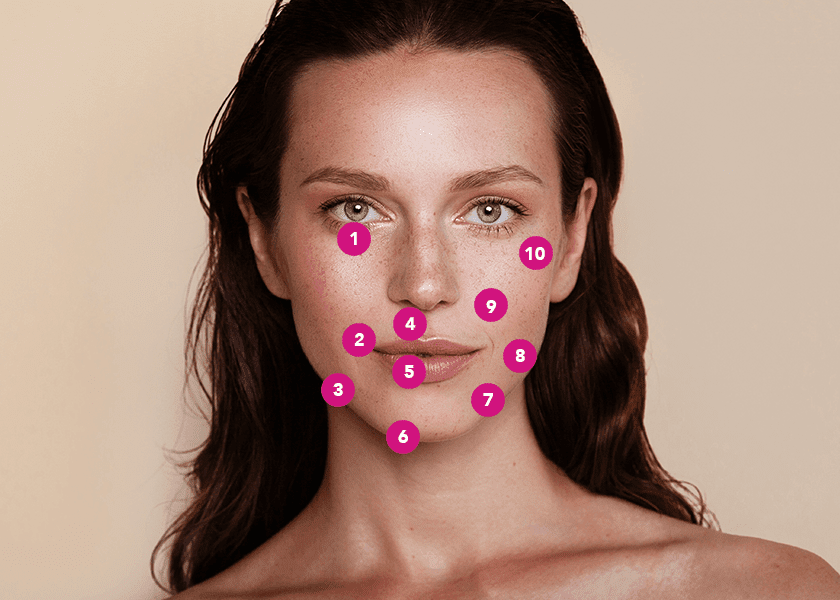
Areas where facial volume loss may show
Volume loss rarely affects just one part of the face. These are the areas we’re most often asked about. Concerns about the lips and lip lines are covered on our lip treatment page.
Tear troughs and under-eye hollows
The tear trough is the groove that runs from the inner corner of the eye down towards the cheek. When volume reduces here, the area can look hollow or shadowed, which is often mistaken for tiredness or dark circles.
Treatment for under-eye hollows isn’t suitable for everyone. Skin thickness, the position of the surrounding fat pads and whether pigmentation is contributing to darkness all affect whether treatment is appropriate, so a careful assessment matters more here than in most areas. You can read more in our article, understanding tear troughs and treatment options.
If your main concern is fine lines under the eyes rather than hollowing, our wrinkle treatment page may be more relevant.
Cheek enhancement and cheek lines
The cheeks provide much of the support for the mid-face. As they lose volume, they can look flatter, and the skin below may start to fold, creating cheek lines and deeper creases between the nose and mouth.
Cheek enhancement focuses on supporting the structure of the mid-face in proportion with the rest of your features, rather than simply adding fullness.
Jawline contouring and definition
Jawline definition tends to soften with age as the bone and soft tissue change and the area just in front of the jowls loses volume. This can make jowls more noticeable and blur the line between the jaw and neck. Jawline contouring aims to support a clearer jaw outline.
Chin proportion and profile
The chin plays a large part in how balanced the lower face looks, particularly from the side. A chin that sits further back, or one that has lost volume with age, can change the relationship between the nose, lips and jaw. Your practitioner will look at your face as a whole, including in profile, before discussing whether the chin is relevant to your concerns.
Nasolabial folds and marionette lines
Nasolabial folds run from the sides of the nose to the corners of the mouth. Marionette lines run downwards from the corners of the mouth towards the chin. The lines next to the mouth tend to deepen as the cheeks and lower face lose volume, and the corners of the mouth may begin to turn down.
Because these folds are often the result of changes elsewhere in the face, treating these folds doesn’t always mean focusing on the line itself. Your practitioner may look first at support in the cheeks and jawline.
What can facial volume loss treatment realistically achieve?
Facial volume loss treatment aims to soften hollows and support facial structure. It won’t stop the ageing process and can’t replicate the results of surgery. Outcomes vary depending on your anatomy, skin quality, the cause of volume loss and the treatment used.
Results aren’t permanent, and how long they last differs between people. Your practitioner will explain what’s realistic for you, including likely recovery time, before you decide whether to go ahead.
Facial volume loss is a normal part of ageing and isn’t harmful to your health, so treatment is always a personal choice.
Your consultation
Your no-obligation consultation is with one of our qualified registered nurses. They’ll assess your facial structure, ask about your health history and talk through your goals. If a prescription-only treatment is considered appropriate, you’ll be referred to one of our doctors in accordance with current medical and regulatory guidelines.
You’ll have time to ask questions and think things over. There’s no expectation to book treatment on the day.
Risks and potential side effects
Like all cosmetic procedures, volume treatments carry risks. Common side effects are usually temporary and include swelling, bruising, tenderness and redness. Less common complications include infection, allergic reaction, lumps and asymmetry.
Rare but serious complications can include vascular occlusion, which can cause tissue damage, and in extremely rare cases lead to blindness. Your practitioner will discuss all risks with you before treatment and provide aftercare instructions. If you notice severe pain, changes in skin colour or any change to your vision after treatment, contact the clinic immediately or seek urgent medical care.
Frequently Asked Questions
What causes facial volume loss?
Facial volume loss is caused by gradual changes to the fat pads, bone and skin of the face. Fat pads shrink and shift, bone loses density and changes shape, and collagen production slows. Sun exposure, smoking, significant weight loss and genetics can influence how early these changes appear.
How do you fix hollow under-eyes?
There’s no single answer, because hollow under-eyes can be caused by volume loss, the shape of the bone beneath the eye, thin skin, pigmentation or a combination. The first step is a professional assessment to understand what’s contributing. Where hollowing is mainly caused by volume loss, your practitioner may discuss tear trough treatment options. If pigmentation or skin quality is the bigger factor, a different approach may suit you better.
How do you get rid of marionette lines?
Marionette lines usually can’t be removed completely, but their appearance may be softened. Because they often deepen as the cheeks and jawline lose support, treatment may focus on those areas as well as the lines themselves. A consultation will help work out what’s driving them in your case.
What is vascular occlusion?
Vascular occlusion happens when a blood vessel is blocked or compressed during or after a cosmetic treatment, reducing blood flow to the surrounding tissue. Signs can include sudden or severe pain, skin that turns pale, blotchy or blue-grey, and changes to vision if the eye area is affected. It’s a medical emergency that needs prompt treatment to reduce the risk of tissue damage or loss of vision. It’s rare, but it’s one of the main reasons volume restoration should only be carried out by qualified practitioners with a detailed understanding of facial anatomy.
Who is facial volume loss treatment suitable for?
Suitability depends on your health history, medications, skin and goals. Some medical conditions, medications, pregnancy or breastfeeding may mean treatment isn’t appropriate. Your nurse will go through this with you during your consultation.
To find out whether facial volume restoration is suitable for you, book a no-obligation consultation with our team.